
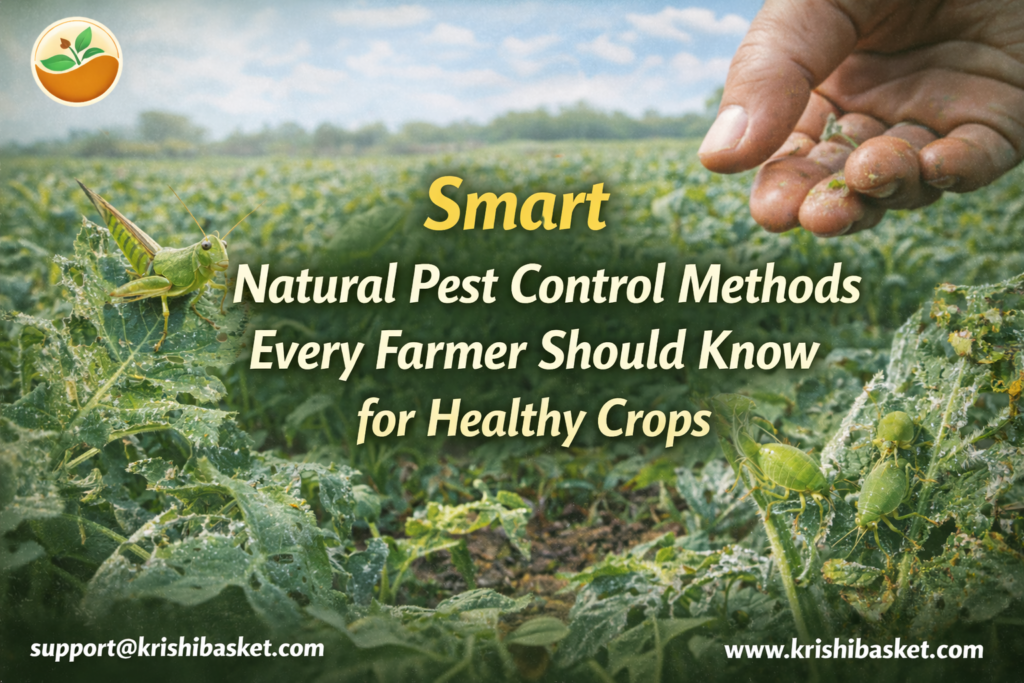
Smart Natural Pest Control Methods Every Farmer Should Know for Healthy Crops
Farming has never been an easy profession. From preparing the soil and sowing seeds to protecting crops and harvesting, farmers face challenges at every stage. Among the biggest threats are insects and pests that silently damage plants, reduce yields, and affect crop quality. Many farmers rely on chemical pesticides for quick results, but over time these chemicals can harm soil health, reduce biodiversity, and even affect human health.
That’s why more farmers today are turning toward natural pest control methods—solutions that are safe, affordable, environmentally friendly, and effective when used correctly. These traditional and biological approaches don’t just protect crops; they also strengthen soil fertility and maintain ecological balance. Let’s explore how natural pest control works, how to identify pests, and which remedies farmers can use to safeguard their fields sustainably.
Why Natural Pest Control Is Becoming Essential
Excessive use of chemical pesticides disrupts nature’s balance. While they may kill harmful insects quickly, they also destroy beneficial organisms such as pollinators, soil microbes, and natural predators. Over time, pests can even develop resistance to chemicals, making sprays less effective and forcing farmers to use stronger doses.
Natural pest control methods solve this problem by working with nature rather than against it. They reduce toxicity, maintain soil structure, and support beneficial insects. These methods are especially useful for small and medium farmers who want effective solutions without heavy investment. They also support organic farming practices and improve produce quality for local markets.
Many farmers ask whether natural remedies can truly match chemical pesticides in effectiveness. The answer is yes—when applied consistently and correctly. Natural solutions may work more gradually, but they provide long-term protection, healthier soil, and safer food.
Understanding Common Crop Pests Before Treatment
Effective pest control always begins with correct identification. Different pests attack plants in different ways, so understanding their behavior helps farmers choose the right solution.
1. Sucking Pests
These insects draw sap from plant tissues, weakening crops over time. Leaves may curl, turn yellow, or become sticky.
Common examples:
- Aphids on brinjal and mustard
- Whiteflies on cotton and tomatoes
- Mealybugs on papaya and mango
- Jassids on cotton and okra
2. Chewing Pests
These pests feed directly on leaves, stems, and roots, leaving visible holes or cuts.
Common examples:
- Caterpillars on cabbage and tomatoes
- Grasshoppers on paddy and millets
- Beetles on pulses and groundnut
3. Soil-Borne Pests
These insects attack roots and stems underground, often going unnoticed until crops begin to wilt.
Examples include:
- Termites in wheat and sugarcane
- Root grubs in maize
- Cutworms in vegetables
Identifying pests early allows farmers to act quickly and prevent large-scale infestations.
Traditional Natural Remedies Farmers Still Trust
Many pest control methods used today are actually traditional practices passed down through generations. These solutions are affordable, easy to prepare, and highly effective when used properly.
Neem-Based Sprays
Neem has long been known as nature’s own pesticide. Its bitter compounds interfere with insect feeding and reproduction. A 2–5% neem oil solution is commonly used to control sucking pests, while neem seed kernel extract offers a stronger option. Spraying every 7–10 days helps maintain protection.
Farmers often wonder how frequently they should apply neem sprays. For preventive protection, weekly application works well. During heavy infestations, more frequent spraying may be needed, especially after rain.
Biological Insecticides
These are natural microorganisms that attack pests without harming crops or humans.
Examples:
- Bacillus thuringiensis (Bt) controls caterpillars
- Trichoderma protects against soil fungi
- Beauveria bassiana works on aphids and whiteflies
Biological solutions are environmentally safe and provide long-term pest management rather than short-term results.
Intercropping and Trap Crops
Planting different crops together breaks pest breeding cycles because many insects prefer specific plants.
Examples:
- Marigold with brinjal reduces fruit borers
- Mustard rows in cabbage fields attract pests away
- Cotton with maize reduces bollworm damage
These practices not only control pests but also improve soil fertility and biodiversity.
Cow-Based and Herbal Formulations
Locally available ingredients can be powerful pest repellents.
- Panchagavya (cow dung, urine, milk, curd, ghee) boosts plant immunity and repels insects.
- Garlic, chili, ginger, and tobacco extracts act as strong natural sprays.
- Ash mixed with buttermilk helps prevent fungi and minor pests.
Because these mixtures can be made at home, they are highly cost-effective and accessible for farmers everywhere.
Correct Application Makes All the Difference
Using the right remedy is only half the job. Proper application ensures maximum effectiveness.
Dilution Matters:
Stronger solutions are not always better. Following recommended ratios prevents plant damage and ensures safe results. For example, mixing neem oil with water and mild soap in correct proportions allows it to spread evenly on leaves.
Spraying Technique:
- Spray early morning or evening to avoid sun damage.
- Cover both sides of leaves for complete protection.
- Repeat every 7–10 days or after rainfall.
Consistency is key. Natural remedies work best when used regularly rather than only after pests appear.
Advantages of Natural Pest Control Over Chemicals
Farmers switching to natural methods often notice several long-term benefits:
- Improved Soil Health: Natural solutions protect beneficial microbes and earthworms.
- Enhanced Fertility: Organic ingredients enrich soil nutrients.
- Safe Handling: They do not release toxic fumes and are safer to spray.
- Reduced Resistance: Pests are less likely to develop resistance.
- Eco-Friendly: Harmless to birds, bees, and other helpful organisms.
- Cost-Effective: Many remedies can be prepared at home.
Another common concern farmers have is whether natural remedies harm pollinators. The good news is they are safe for bees and beneficial insects when applied at suitable times, such as early morning or late evening.
Region-Specific Natural Pest Solutions
India’s diverse climate means pest control methods vary from region to region.
- Dry Regions: Neem seed cake mixed into soil controls underground pests.
- Humid Areas: Fermented herbal sprays protect rice and vegetables.
- Medium Rainfall Zones: Green manure crops help reduce soil insects.
- Cold Regions: Garlic and chili sprays protect root crops like turmeric and ginger.
These locally adapted practices show how farmers can tailor pest management to suit their environment.
Do Natural Remedies Really Work?
Many farmers still question whether natural methods can truly replace chemical pesticides. The reality is that natural remedies may not act instantly, but they provide sustainable and long-lasting protection. They strengthen plant immunity, improve soil health, and maintain ecological balance—benefits that chemical pesticides cannot offer.
Consistency is the secret. When applied regularly, natural solutions can control pest populations effectively while keeping crops and soil healthy.
Building a Sustainable Future for Farming
Agriculture is not just about producing crops; it’s about preserving land for future generations. Natural pest control methods allow farmers to grow healthy harvests without damaging soil, water, or biodiversity. By choosing eco-friendly solutions, farmers reduce dependency on chemicals and ensure safer food for consumers.
Natural farming practices also support long-term productivity. Healthy soil leads to strong plants, which naturally resist pests and diseases better than chemically treated crops.
Conclusion — The Natural Way Forward
Pests will always be part of farming, but how we manage them determines the future of agriculture. Natural pest control methods offer a safe, sustainable, and effective alternative to chemical pesticides. From neem sprays and biological agents to intercropping and herbal mixtures, these solutions protect crops while maintaining soil health and ecological balance.
Farmers who adopt these methods not only safeguard their harvests but also contribute to a cleaner environment and healthier food systems.
At KrishiBasket, we believe in empowering farmers with knowledge and natural solutions that promote sustainable agriculture. By choosing eco-friendly pest control practices, farmers can protect their crops, improve soil fertility, and ensure long-term productivity without relying on harmful chemicals. Natural farming isn’t just a trend—it’s the future of agriculture, and KrishiBasket is proud to support farmers on this journey toward healthier harvests and greener fields.

No Comments